Interior floors refurbished without demolition
The commercial reason for this product almost every time: no skip, no dust, no re-screeding, and no period where the room is out of use while a slab cures.


The coloured sand build specified for the floor that is already tiled and must not be lifted: twelve fixed factory-blended colours over a skimmed and abraded tile bed, with the grout grid dealt with as a preparation step and a plain statement that a thin decorative film records whatever is underneath it.
Key Parameters
Colours — 12 fixed factory blends
Pick a colour to preview a finished floor. Chips are close-ups of the blended aggregate; the floor views are indicative renders, not photographed projects.
Reply within 24 hours.
System line:Epoxy Colored Sand
Our interior coloured sand build, specified for the floor that is already tiled and must not be lifted: twelve fixed factory-blended colours over an abraded and skimmed tile bed, with the grout grid dealt with as preparation and a plain statement that a thin decorative film records whatever is underneath it.
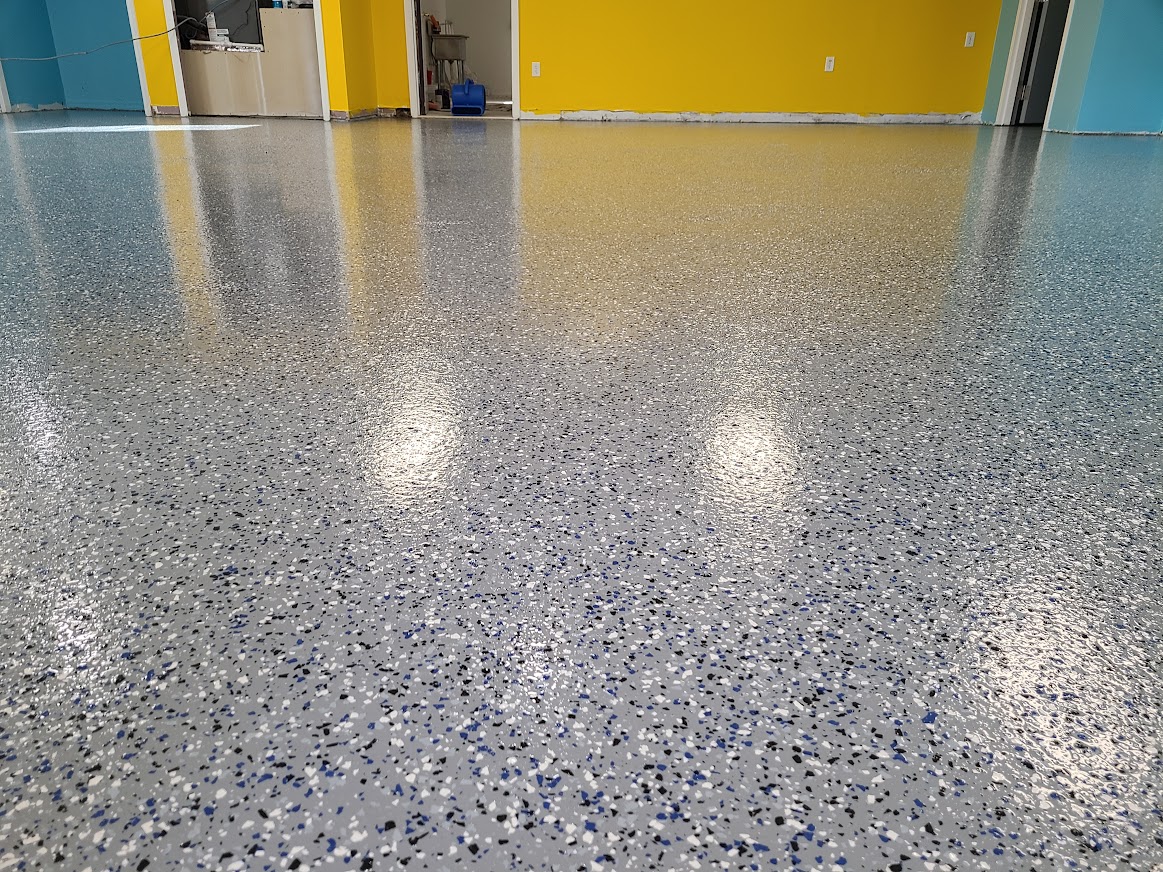
A coloured sand floor — coloured aggregate bound in epoxy, worked across the surface and sealed under a gloss wear coat — specified against the one substrate question that comes up more often than any other on this material: the floor is already tiled, and nobody wants it lifted. The material is the same coloured sand we fit indoors, in kitchens and in bathrooms. What is specified differently here is everything underneath it: the glaze has to be opened to a mechanical key, the grout grid has to be filled so it does not print through a 2 mm film, and the tile bed has to be proven bonded before anything is mixed.
Coverage, thickness, pack size, finish and the colour count are on the Technical Specs tab, and so is the list of figures we do not hold. Where a cell is empty it is empty because nobody has measured it, not because the data is confidential.
We already sell a resin floor laid over existing tiles, and people mix the two up, so the line is worth drawing before anything else. That one is a build-up product: a thicker flooded system whose job is to level an uneven floor, mask a deeply incised grout grid and re-establish a surface that has lost its fall. It carries a matched hardener ratio and a small range of greys, and its technical figures are ours because we test that build.
This one is a decorative coloured sand coat at a thin build. It will not level a floor, it will not hide a stepped tile bed, and it will not bridge a joint that moves. What it does is give a tiled room a seamless, coloured, speckled stone surface with no grout to scrub. If the existing floor is flat and sound and what you want is the appearance and the wipeability, this is the right page. If the floor is uneven, hollow in places or needs its fall re-made, the other page is the right one and we would rather redirect you than sell you the wrong film.
A thin decorative film records whatever is under it, permanently. So the tile is inspected as a structural question rather than a cosmetic one, and three findings stop the job:
Where a floor has been wet under an appliance or a waste for years, that is dealt with before anything is coated. A film laid over a damp make-up will not stop it and will hide it longer.
This is the failure people worry about, and it is a real one. Grout is softer than tile and it sinks, so a thin coat applied straight onto an old grout grid will print the grid through within months, as a faint line of slightly lighter rectangles across the room.
So the grout is filled and the floor is skimmed before the coloured sand goes on, and that is a preparation step rather than an upsell. It also sets the honest expectation: a skimmed floor over tile reads flat. A floor with decades of lippage and a stepped bed will still show its rhythm under a gloss finish in low raking light. We can improve how a tired tiled floor looks. We cannot turn it into a poured slab.
A decorative resin floor is not a waterproofing layer. It is a continuous wearing surface, so it will not let a spill through the way an open grout grid can, but it does not hold back water travelling underneath and it is not a tanking system. Listings for this class of product very often carry a waterproof claim; we do not repeat it, because the test that would support it is a test on a build-up and a tanking detail, not on a decorative film.
In a bathroom or a wet room this coating goes over a properly tanked floor, and the tanking is a separate layer with its own detail at the waste and the upstand. Where a room has a shower and a linear drain, the specification is on the bathroom and wet room coloured sand page, which leaves the aggregate open at the shower and closes it elsewhere.
It is not an external floor. The data sheet behind this material says interior and exterior floors, and we do not carry that sentence: an aromatic epoxy film ambers in direct sun, and the outdoor build differs in the one layer that matters, which is a wear coat chosen for weathering. For a terrace, a balcony or an exposed path the specification is outdoor colored sand.
The palette is the twelve factory-blended colours listed on this page — the same twelve as our interior, kitchen and bathroom builds, which is what lets a renovated room run into the rooms around it. The aggregate is blended into the pack rather than tinted on site, so a repeat order matches the first one. This product is not part of the custom matching programme; where a project needs a specific RAL or Pantone reference, that is a different build from our colour-matched range.
Two honest notes on the pictures. The twelve floor images are indicative renders, not photographed projects, and they are twelve different rooms rather than one room re-coloured — so read them as a guide to hue and not as a prediction of how a specific room will look. Pale colours in a bright room read lighter than the chip suggests, and Multi-Colour lays down closer to a grey blend than the name implies.
Hardness, abrasion loss, adhesion, slip classification, VOC, thermal behaviour and chemical resistance are absent from the technical table because we have not tested this build. None of them is carried over from a similar product, and a supplier listing is not a test report. The listing behind this one gives two different hardener ratios for the same pack, and its own colour table lists fewer colours than its colour cards show — those are precisely the figures we will not repeat.
What we do publish — coverage, thickness, pack size, finish and the colour count — is partner factory data for the same material, marked so you can see which numbers are ours and which are theirs. Coverage is the one cell here that is not shared with our interior page: their usage table gives a rate per substrate rather than one per product, so a tiled bed and a normal concrete floor are different rows of it, and both figures sit on the Technical Specs tab. Drying and cure timings live on the Technical Specs tab rather than being restated here, because a figure that appears twice can drift apart.
The material is the same coloured sand we fit indoors, in kitchens and in bathrooms: coloured aggregate bound in epoxy, worked across the surface and sealed under a gloss wear coat. What is specified differently here is everything below the finish. A tiled floor is not a sound slab with a different colour on it — it is a hard, dense, glazed surface with a soft grid sunk into it, and both of those facts decide whether a thin decorative coat survives.
So the honest summary of this build is that it is a finish, not a repair. It will not level a floor, it will not hide a stepped tile bed, it will not re-establish a fall, and it will not bridge a joint that moves. What it does is turn a tired, gridded, grout-lined floor into a seamless speckled stone surface that wipes, in one of twelve colours, without a demolition skip in the building. Where the existing floor is uneven or hollow in places, the specification is our thicker over-tile build-up rather than this one, and we would rather say that at quotation than deliver a film that records every tile.
One thing in the source material we deliberately do not carry. The data sheet behind this product says it is fit for interior and exterior floors, and it carries a waterproof claim and a flame-retardance claim in its marketing. We publish none of the three. An aromatic epoxy film ambers in direct sun and the outdoor build differs in the wear coat, a decorative film over a grid is not a tanking layer, and neither the fire nor the water claim has a test behind it that we hold. That is the whole reason the cells below read Not published more often than a buyer expects.
| Bed check | Before anything is mixedTap the whole floor including behind and under units. Hollow tiles are lifted, not coated — a film over a hollow bed shows the outline of every one within a year |
|---|---|
| Glaze abrasion | Scarify to a mechanical keyThe bond depends on opening the glaze. Some dense porcelain surfaces resist normal preparation, and on those this is the wrong build |
| Grout grid | Filled and skimmedGrout is softer than tile and sinks. Fill it and skim the floor before the sand, or the grid prints through as a lattice of slightly lighter rectangles |
| Repair | As neededCracks filled, chipped edges rebuilt, lippage accepted or ground. Movement joints and the threshold expansion line stay where they are and are detailed with a flexible transition |
| Primer | Specified per slabPorosity, residual damp and what the tile was bedded on decide the primer and its rate; set from the site information, not from a fixed figure |
| Coloured sand coat | ≈ 1.5 kg/m²Partner factory usage table, tile-and-terrazzo row, against a 2 mm reference. The same table puts dense new concrete at 1.3, normal concrete at 1.4 and rough or aged floors at 1.6–1.8 — porosity is what spends the material, so the rate is read off the bed rather than off the product. The listing also gives per-layer rates that do not reconcile with these, so no per-layer split is published |
| Wear coat | Gloss, floodedThe clear that carries the aggregate depth and the slip behaviour. Not a waterproofing layer and not a weathering layer — see the outdoor build for that |
| Brand | Friway |
|---|---|
| SKU | — |
| Category | Epoxy Colored Sand |
| Finish | Gloss |
| Coverage | 1.5 kg/m² |
| Thickness | 2 mm |
| Coverage | 1.5 kg/m² over a tile bedPartner factory usage table, tile-and-terrazzo row, at the same 2 mm reference as the build thickness below: 1.3 dense new concrete, 1.4 normal concrete, 1.6–1.8 rough or aged, 1.5 tile or terrazzo. This page is the tile case, so it carries the tile figure — the 1.4 on our interior, kitchen and bathroom pages is the normal-concrete case of the same material, not a different product |
|---|---|
| Build thickness | ≈ 2 mmStated against a 2 mm reference in the supplier usage table. A floor that needs levelling needs a different build |
| Pack size | Not publishedThe data sheet behind this batch has no pack-size row at all, and the 1 kg packs in its accessories are the mid-coat rather than the coloured sand. We do not carry the 20 kg figure from our other coloured sand pages onto a batch whose own sheet is silent on it |
| Finish | High glossThe gloss is what makes the speckle read as stone, and it is also what shows every ridge in the preparation — which is why the skim row is not decoration |
| Application method | Trowel and back-rollThe supplier data sheet lists a trowel-worked coat (批刮), not a poured self-levelling body, despite the word levelling appearing in its own product name |
| Touch dry | ≈ 8 hPartner factory figure, the same one carried on our interior page for the same material. It is a starting point and not our test, so confirm on site |
| Walk-on | Not publishedNo measured value for this build; it depends on the primer and wear coat chosen for the slab |
| Light service | Not publishedFurniture back down and mats laid is confirmed per project before handover rather than read off a sheet |
| Full cure | Not publishedWe do not extend the seven-day cross-link figure from our epoxy ranges onto a build we have not measured |
| Colour range | 12 fixed coloursFactory-blended per pack; this product is not part of the custom colour-matching programme |
| Hardness | Not publishedNo pencil or Shore test run by us. The listing behind this batch quotes a pencil-hardness figure inside a test report issued to another company, which is the reason we do not repeat it |
|---|---|
| Abrasion | Not publishedNo Taber plate run. The same report gives a wear figure we cannot attribute to our own build |
| Compressive | Not publishedNot a load-bearing specification; this is a decorative film over a substrate that already carries the load |
| Adhesion | Not publishedOn tile it depends entirely on whether the glaze was opened and on the primer selected. We ask for a pull-off on site rather than publish a nominal figure |
| Slip | Not publishedNo ramp test on this surface. A gloss flooded finish over tile is not something we describe as slip-resistant in any direction |
| VOC | Not publishedNo emission report held for this formulation under our own name |
| Water | Water-resistant surfaceTakes spills and a damp mop. It is not a waterproofing layer and not a tanking system, and water travelling under a film is invisible until it has arrived somewhere else |
| Fire behaviour | Not publishedThe listing carries a flame-retardance claim in its marketing. We hold no test for it and do not restate it — a fire classification is a document, not a sentence |
| Chemical agents | Not publishedNo chemical-resistance panel run on this build. What we do state is the mechanism that ruins gloss epoxy: caustic and solvent degreasers dull the film in patches that cannot be blended back |
| UV / yellowing | Not for sun-exposed floorsThe data sheet says interior and exterior. We publish interior only: an aromatic epoxy film ambers in direct light, and the outdoor build differs in the wear coat. See the outdoor coloured sand page |
Figures are typical values measured in our laboratory. Substrate, climate and workmanship affect the result — we confirm the final specification in writing before your order.
We release documents as editable originals on request (batch-specific data is not in a generic PDF). One click sends your request with this product attached.
Two-component sets palletised for export, shipped fromDongguan, Guangdong, China by Dongguan Friway Hydraulic Control Technology Co., Ltd..
| Set composition | Part A 20 kg + Part B 5 kg (25 kg/set, two pails) |
|---|---|
| Net weight / set | 25 kg |
| Pallet configuration | 20 sets (500 kg net) per 1200 × 1000 mm pallet, stretch-wrapped with corner boards |
| 20 ft container | ≈ 400 sets |
| 40 ft HQ | ≈ 800 sets |
| Shelf life | 12 months from fill date |
| Storage | Dry, ventilated store, 5–35 °C, keep away from direct sunlight; store Part A and Part B separately and reseal after use. |
Counted from confirmed deposit and approved colour. FOBShenzhen or Guangzhou; CIF and DDP quoted on request.
| Order quantity | Lead time | Notes |
|---|---|---|
| Sample (≤ 2 sets) | 2–4 days | courier freight collect via DHL / UPS / FedEx, shipping at your cost; 5–7 days door to door |
| 1–49 sets | 5–7 days | Stock colours first; standard export packing included |
| 50–199 sets | 10–12 days | Includes batch mixing and in-house QC record per batch |
| 200–999 sets | 15–20 days | Production slot reserved after 30% deposit |
| FCL / 1000+ sets | 22–28 days | Confirmed against the shipping schedule; FOB Shenzhen or Guangzhou |
RAL / Pantone reference or a physical sample; we send a wet film for approval before batch production.
Your logo and language on the pails and carton; artwork in AI/PDF. Blank labelling available below this MOQ.
Pail size, carton printing, palletising and shipping marks per your export requirement.
Formulation adjustment (gloss, cure speed, aggregate, conductivity range) with TDS and CoA issued under your brand.
Company-level documents we can issue for this system. We supply certificate copies and batch test reports on request rather than publishing them as images.
Prove the bed before quotingBefore order
A full-floor tap test, including the areas behind and under units that get inspected exactly once, plus a note of every crack line. Where tiles are hollow, where the bed has debonded, or where an old leak has softened the make-up, the floor is lifted. A thin decorative film records the failure and holds the moisture in.
Open the glazeDay 1
Scarify or diamond-abrade the tile surface to a mechanical key and vacuum to a clean film. Gloss tile that has had a wax or polish applied needs that stripped first, and that is a different operation.
Fill the grid and skimDay 1
Fill every grout line and skim the floor so the grid has nothing to print through from. This step decides the appearance more than the coloured sand does, and skipping it is the single most common cause of a complaint twelve months later.
Set the primer for what is underneathDay 1
Porosity, residual damp and the original bedding mortar decide the primer and its rate. Old tiled floors are frequently over a make-up that has been wet under an appliance for years, so this is specified from site information.
Work the coloured sand coatDay 2
One pack at a time, gauged to roughly 1.5 kg/m² over the abraded tile, worked across and back-rolled so the aggregate reads even. Batch the room in one operation so a colour change is not visible inside it.
Wear coat, then keep the room off itDay 3 onward
Applied once the sand coat has set. No furniture back down, no rugs laid and no mop until the release timing for the specific primer and wear coat in your quote has been confirmed in writing.
Need the full method statement for your site? Request it with the form below — we review your slab data before your crew starts.
The commercial reason for this product almost every time: no skip, no dust, no re-screeding, and no period where the room is out of use while a slab cures.
Where a tiled floor has gone tired and the grout lines have darkened beyond cleaning, and where a seamless field with no threshold strips is what the plan asks for.
Where the cleaning routine is a neutral detergent rather than a degreaser. The kitchen page explains why that one distinction decides the build.
Carried through from the hallway without a strip of a different colour in the doorway, since the twelve-colour palette is shared across the interior, kitchen and bathroom builds.
Carried up rather than stopped short, so the edge wipes and there is no gap for mop water to disappear behind.
No, and the difference is worth getting straight before you order. Our epoxy floor over existing tiles is a build-up product: a thicker flooded system that levels an uneven floor, masks a deeply incised grout grid and re-establishes a surface that has lost its fall, supplied in a small range of greys with a matched hardener, with technical figures we tested ourselves. This one is a thin decorative coloured sand coat in twelve colours. It will not level anything. If the floor is flat and sound and you want the appearance and the wipeability, this is the right product; if the floor is uneven, hollow in places or needs its fall re-made, the other page is.
Where the tile is bonded, flat and hollow-free across the whole floor including behind and under units, where the glaze can be abraded to a mechanical key, and where the grout grid is filled and skimmed first — yes, and avoiding a demolished floor is the usual commercial reason for specifying it. Where the bed has debonded, or where an old leak has softened the make-up, the floor is lifted. A thin decorative film over a failed substrate records the failure and holds the moisture in.
They will if the floor is coated straight over an old grout grid, and this is the most common complaint on any thin floor over tile. Grout is softer than tile and it sinks, so within months the grid prints through as a lattice of slightly lighter lines. That is why filling and skimming is part of this build rather than an optional extra. What a skim will not do is erase lippage: a floor with a stepped bed still shows its rhythm under a gloss finish in low raking light.
No. A decorative resin floor is a wearing surface, not a tanking layer. It will not let a spill through the way an open grout grid can, but it does not hold back water travelling underneath, and a leak from a waste or an appliance appears somewhere else rather than stopping at the film. Listings for this class of product very often carry a waterproof claim and this one does; we do not repeat it. Where a room is genuinely wet, the tanking is a separate layer with its own detail at the waste, and the floor is a finish over it.
Not this build. The material is described by its supplier as fit for interior and exterior floors, and we publish the interior half. An aromatic epoxy film ambers in direct sun, and the outdoor specification differs in the one layer that matters, which is a wear coat chosen for weathering. For a terrace, a balcony or an exposed path the specification is our outdoor coloured sand floor.
No. The twelve colour images on this page are indicative renders supplied with the material, each one a different room, and they are there to show hue rather than to predict how a specific room will read. Pale colours in a bright room look lighter than the chip suggests, and Multi-Colour lays down closer to a grey blend than the name implies. We do not present supplier imagery as evidence of our own work.
Not on this product. The aggregate is blended at the factory into the pack rather than tinted on site, so the twelve listed colours are what is available — and that is also what makes a repeat order match the first one. Where a project needs a specific reference, that is a different build from our colour-matched range.
Because we have not tested this build ourselves, and the figures that do exist in the material behind it are not ours to publish. The supplier listing gives two different hardener ratios for the same pack, its own colour table lists fewer colours than its colour cards show, and its hardness, wear and VOC figures sit inside a test report issued to another company. A supplier listing is not a test report. What we do publish — coverage, thickness, finish and colour count — is marked as partner factory data so you can see which numbers are ours and which are theirs.
Your project has conditions we cannot see from here? Send the slab report and drawings — our engineers answer with a written specification.
Dongguan Friway Hydraulic Control Technology Co., Ltd.
Every batch of Colored Sand Floor Over Existing Tiles is produced in our own facility by a team that integrates R&D, production, sales and technical service. Advanced equipment, batch-level lab testing and a complete quality system mean consistent quality — from the first sample to the last pallet.
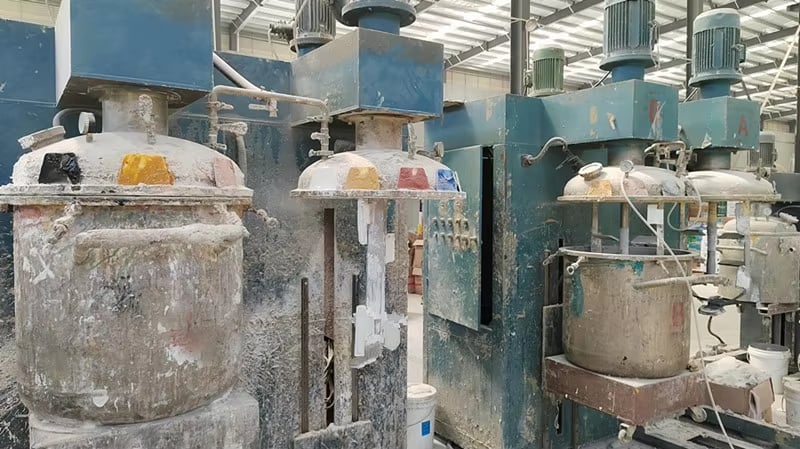 Mixing Lines
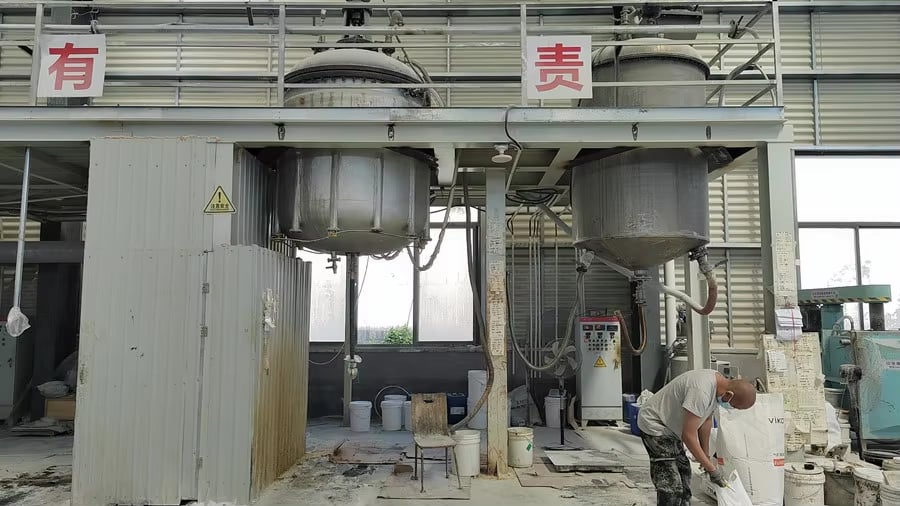 Reactor Kettles
 Dispersing Equipment
 Mixing & Control
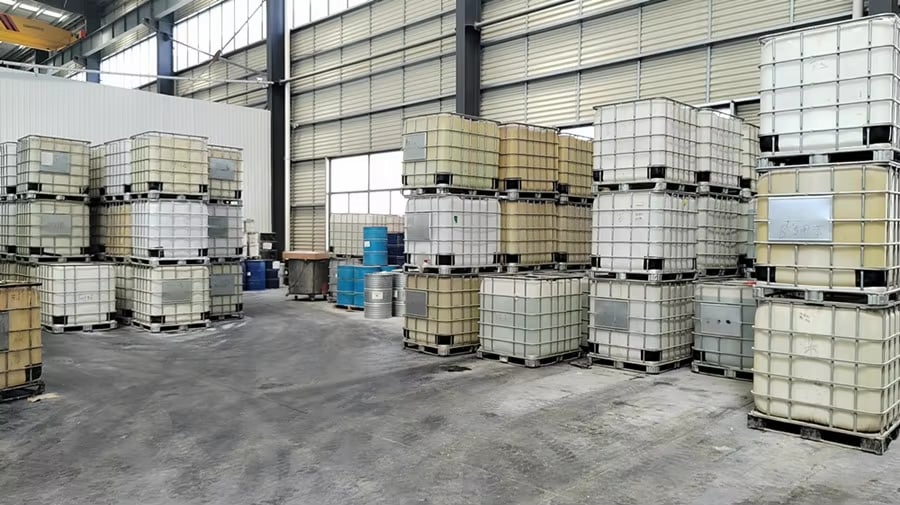 Raw-Material Store
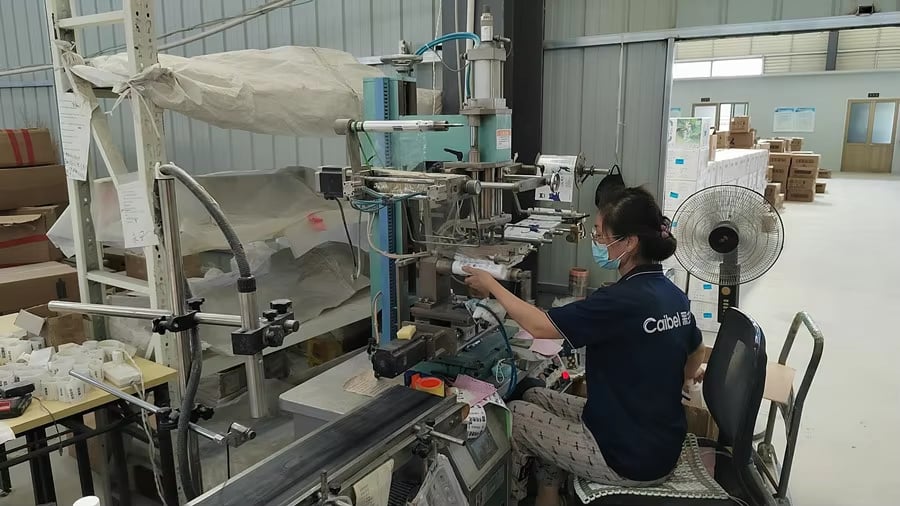 Labelling
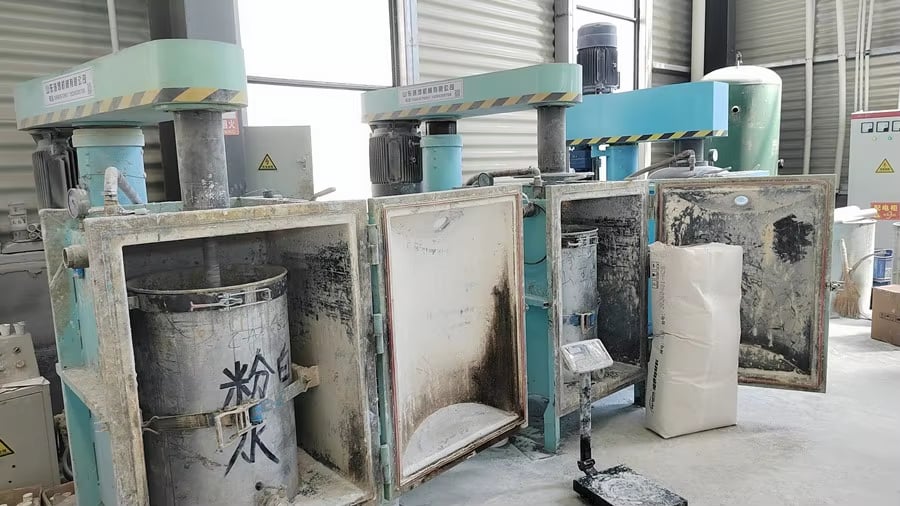 Vacuum Mixing
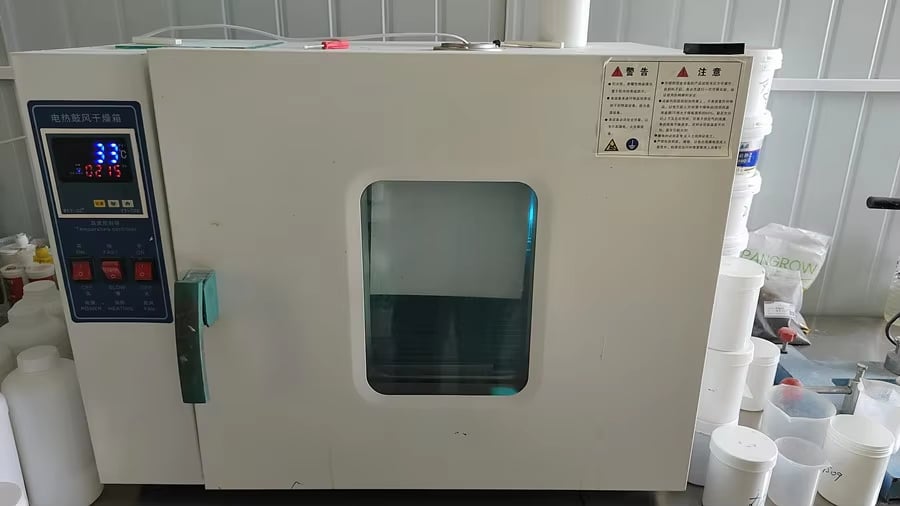 QC Drying Oven
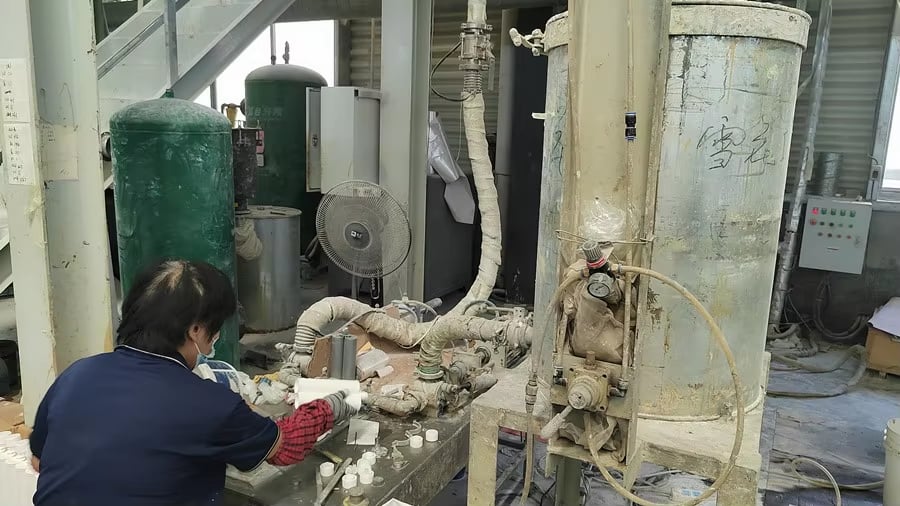 Filling & Capping


Questions about production, certificates or MOQ?
Ask Our TeamThis product line is verified by third-party laboratories. The marks shown above are the ones we publish as images; the documents behind them — certificate copies, batch-specific test reports, the CE Declaration of Conformity — are issued on request. A scanned badge proves nothing about your slab; the report behind it does.
Get a Free Quote
Send the floor area, substrate condition and what the room has to take. We reply with the system build-up, coverage estimate and an FOB quotation — usually within 24 hours.