Kitchen floors, including open-plan
The seamless field runs through without a threshold strip, which is what makes an open-plan kitchen read as one room rather than two floors meeting.


The coloured sand build specified for the room that gets oily and wiped: twelve fixed factory-blended colours, the aggregate worked closed so the surface wipes instead of holding grease in the grain, and a plain statement that the cleaning product is what decides whether a gloss floor lasts.
Key Parameters
Colours — 12 fixed factory blends
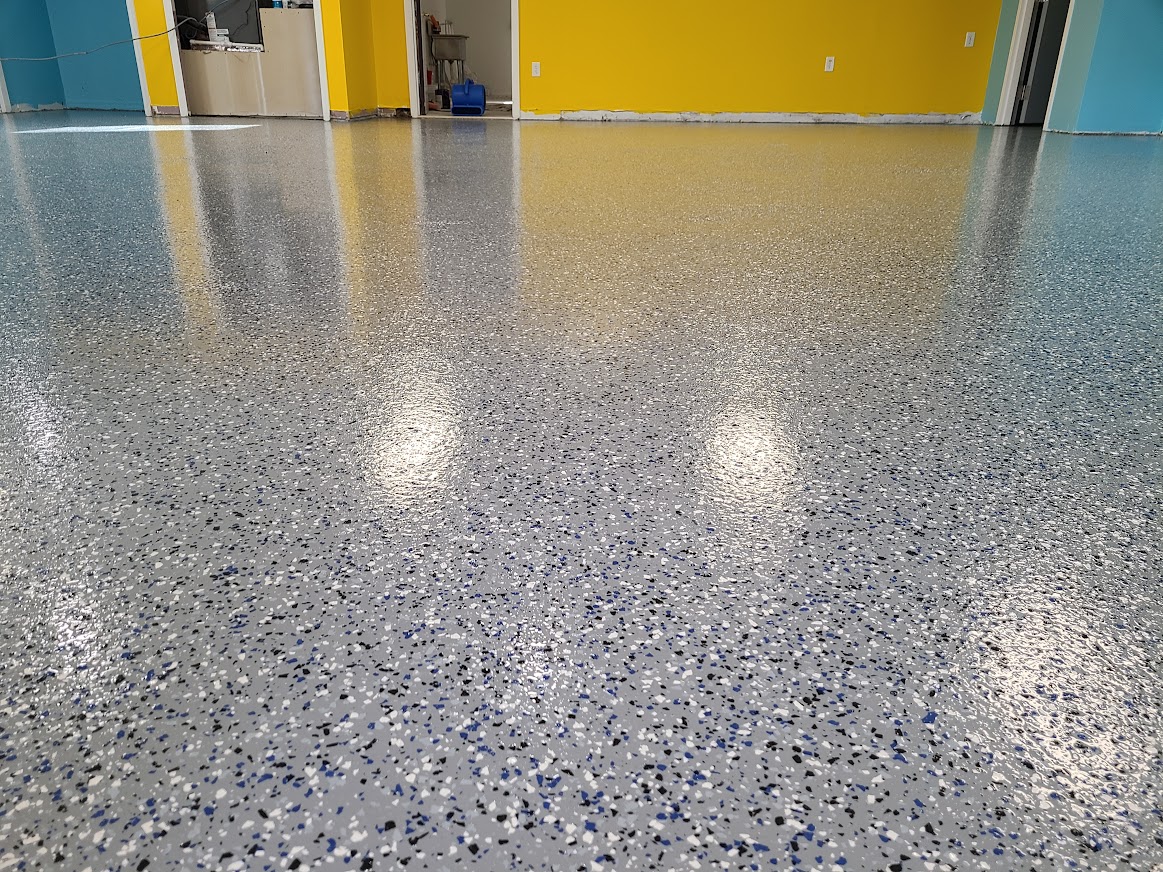
Pick a colour to preview a finished floor. Chips are close-ups of the blended aggregate; the floor views are indicative renders, not photographed projects.
Standard pack: 20 kg. Reply within 24 hours.
System line:Epoxy Colored Sand
Our interior coloured sand build, specified for the room that gets oily, wiped and dropped on: twelve fixed factory-blended colours, the aggregate worked closed so the surface wipes instead of holding grease in the grain, and a plain statement that the cleaning product is the part that decides whether this floor lasts.
The same coloured sand system we fit indoors and in bathrooms — coloured aggregate bound in epoxy, worked across the surface and sealed under a gloss wear coat — specified here against a kitchen. The material is identical to our interior coloured sand. What changes is the duty: this room collects a film of cooking-oil aerosol that no other room in the house produces, it is washed with detergent far more often than a hallway, appliances stand on it for two decades, and it has a sink and a dishwasher, both of which leak where nobody is looking.
Coverage, thickness, pack size and finish are on the Technical Specs tab, and so is the list of figures we do not hold. Where a cell is empty it is empty because nobody has measured it, not because the data is confidential.
It is not the grease. It is what people reach for to remove the grease. Caustic and solvent-based degreasers dull a gloss epoxy film in patches that cannot be blended back, and a household that degreases weekly will do it eventually. So the honest argument for a coated kitchen floor is not that it is immune to oil — it is that a continuous film wipes in one pass where a grout grid absorbs oil and goes dull in the lines, and that a neutral detergent with a damp mop keeps it looking new.
Which means the first question we ask about a kitchen is not the colour, it is what the floor is washed with. If the answer is a degreaser or a steam mop, this build is the wrong answer, and there are better ones we will point you to.
This is the one specification decision that is genuinely different from a bathroom, and it is a trade rather than an upgrade. An open aggregate profile gives more mechanical grip under wet than anything else in this family — which is why we leave it open in a shower. In a kitchen the same profile holds crumbs and, worse, holds a grease film down in the grain where a mop cannot reach it. So on this build the aggregate is back-rolled and then flooded under the wear coat: closed enough to wipe clean, still textured enough that a splash of water does not make the surface slick.
That costs a little of the barefoot grip an open floor would have, and we would rather say so here than have it discovered in month three. Neither version carries a slip classification, because we have not run the ramp test that would justify one, and we do not describe any floor as slip-proof.
A decorative resin floor is not a waterproofing layer. It is a continuous wearing surface, so it will not let a spilled pan through the way an open grout grid can, but it does not hold back water travelling underneath and it is not a tanking system.
The kitchen version of that sentence matters more than the bathroom one, because the water here comes from appliances rather than from a shower. A dishwasher seal or a sink waste that has been leaking for two years has already gone into the make-up, and a film laid over it will not stop it — it will just hide it longer. Where a floor has been wet under an appliance, the slab is tested and dealt with first and the coating is the finish over it.
What a coated floor does change in this room is that there is no grout line and no perimeter gap under the units for that water to be absorbed into, and a leak becomes visible and wipeable instead of permanent.
This is a light-duty finish: it is specified for a room people walk in and stand in while they cook, not for a floor anything is driven on. A refrigerator or a dishwasher on its own feet is fine, and the honest guidance is pads under the feet and nothing dragged — a gloss topcoat is scratched by being moved, not by being walked on. Where an appliance has to come out for a plumber, lift or roll it on a board rather than dragging it across the film.
Kitchens also have windows, and an aromatic epoxy film ambers in direct light. On a pale colour in front of a window that shift is visible within a season, and it is the resin rather than the pigment — so it is not a defect claim. Where a specification cannot accept any colour change, the answer is a UV-stable build from that range, not this one.
It is not a shower screen, a tanking layer or an external floor. For a terrace or a balcony the build is different in one specific way — the wear coat is chosen for weathering: see outdoor coloured sand. For a room that is wet every day, see bathroom and wet room coloured sand.
Most kitchen floors in existing buildings are tile, and the reason people ask for a coating is to avoid lifting a working kitchen. That works where the tile is bonded, flat and hollow-free across the whole floor — including the areas behind and under the units, which get inspected exactly once — and where the glaze can be abraded to a mechanical key. It does not work where the bed has debonded, where there is movement under the tile, or where an old leak has softened the make-up: those are lifted or repaired, because a thin decorative film over a failed substrate records the failure and holds the moisture in.
The dedicated page for that route, including what we ask you to test before ordering, is renovation over existing tiles.
The palette is the twelve factory-blended colours listed on this page, shared with our interior and bathroom builds so a kitchen runs into the rooms around it without a strip of a different colour in the doorway. The aggregate is blended into the pack rather than tinted on site, so a repeat order matches the first one.
This product is not part of the custom matching programme. Where a project needs a specific RAL or Pantone reference, that is a different build from our colour-matched range.
One honest note on the swatches: the images on this page are indicative renders, not photographed projects. Pale colours in a bright kitchen read lighter than the chip suggests, Multi-Colour lays down closer to a grey blend than the name implies, and Peach Red sits nearer to pink than to red once it covers a floor under white light.
Hardness, abrasion loss, adhesion, slip classification, VOC, heat and chemical resistance are absent from the technical table because we have not tested this build. None of them is carried over from a similar product, and a supplier listing is not a test report — the listing behind this one contradicts itself on both pack hardness and how the material is mixed, which is exactly the kind of figure we will not repeat.
What we do publish — coverage, thickness, pack size, finish and the colour count — is the same set of figures we carry on our interior page for the same material, marked as partner factory data so you can see which numbers are ours and which are theirs.
The material is the same as our interior and bathroom builds: coloured aggregate bound in epoxy, worked across the surface and sealed under a gloss wear coat. What changes is the duty. A kitchen floor collects a film of cooking-oil aerosol that no other room in the house produces, and that film turns slippery the moment water is added to it. It is washed with detergent far more often than a hallway. Appliances stand on it for two decades and are rolled across it when a plumber needs a dishwasher out. And it has a sink and a dishwasher, both of which leak where nobody is looking.
The honest tension in this room is that the product which cleans a kitchen floor is the product that damages a gloss epoxy. Caustic and solvent-based degreasers dull a gloss film in patches that cannot be blended back, and a household that degreases weekly is going to do that eventually. So the argument for a coated kitchen floor is not that it is immune to grease — it is that a continuous film wipes in one pass where a tiled floor has a grout grid that absorbs oil and goes dull in the lines. Where the actual cleaning routine is a degreaser, this is the wrong build and we would rather say so at quotation.
One specification decision is genuinely kitchen-specific, and it is a trade rather than an upgrade. An open aggregate profile gives more mechanical grip under wet than any other finish in this family, but in a kitchen the same profile holds crumbs and, worse, holds a grease film down in the grain where a mop cannot reach it. So on this build the aggregate is back-rolled and then flooded under the wear coat — closed enough to wipe clean, textured enough that a splash of water does not make the surface slick. That costs a little of the barefoot grip an open floor would have, and we state it as a cost. Neither way publishes a slip classification, because we have not run the ramp test that would justify one.
| Cleaning-routine check | Before anything elseWhich product the household actually uses decides whether this build is offered. A weekly degreaser is a different specification conversation, and the honest answer to it is usually a different floor |
|---|---|
| Prep | Abrade and vacuumConcrete: diamond-grind to remove laitance. Over tile: abrade the glaze to a mechanical key, and confirm the tile is bonded and hollow-free — including at the perimeter, where a kitchen unit often hides a failed bed |
| Repair | As neededCracks filled and the floor levelled. Movement joints and the expansion line at the threshold stay as they are and are detailed with a flexible transition |
| Primer | Specified per slabPorosity and residual damp decide the primer and its rate; set from the site information, not from a fixed figure |
| Coloured sand coat | ≈ 1.4 kg/m²Partner factory stated coverage for the mixed coloured sand coat, worked across and back-rolled |
| Closed wear coat | FloodedIn a kitchen the aggregate is flooded under the clear rather than left open. The trade is a little barefoot grip for a surface a mop can actually clean |
| Junction at the units | Up the base lineCoved where the floor meets the wall and the plinth line, so the perimeter wipes rather than being scraped out of a gap |
| Brand | Friway |
|---|---|
| SKU | — |
| Category | Epoxy Colored Sand |
| Finish | Gloss |
| Coverage | 1.4 kg/m² |
| Thickness | 2 mm |
| Package | 20 kg |
| Coverage | 1.4 kg/m²Partner factory figure for the coloured sand coat on a normal concrete bed, mixed. Their usage table gives one rate per substrate against a 2 mm reference — 1.3 dense new concrete, 1.4 normal concrete, 1.6–1.8 rough or aged, 1.5 tile or terrazzo — so a floor coated over existing tile takes the 1.5 figure, and that build is on colored-sand-floor-over-existing-tiles |
|---|---|
| Pack size | 20 kgPartner factory pack; component split is confirmed on the order |
| Finish | High glossThe gloss carries the aggregate depth, and it is also the layer a degreaser dulls — which is why the cleaning row below is not decoration |
| Application method | Trowel and back-rollPartner data sheet lists a trowel-worked coat, not a poured self-levelling body |
| Touch dry | ≈ 8 hPartner factory figure, the same one carried on our interior page for the same material. It is a starting point and not our test, so confirm on site |
| Walk-on | Not publishedNo measured value for this build; it depends on the primer and wear coat chosen for the slab |
| Light service | Not publishedAppliances back on their feet, and mats down, is confirmed per project before handover rather than read off a sheet |
| Full cure | Not publishedWe do not extend the seven-day cross-link figure from our epoxy ranges onto a build we have not measured |
| Colour range | 12 fixed coloursFactory-blended per pack; this product is not part of the custom colour-matching programme |
| Hardness | Not publishedNo Shore D test on this build by us. The listing this material came from quotes a pencil-hardness figure and gives two different ones across its own colour range, which is the reason we do not repeat either |
|---|---|
| Abrasion | Not publishedNo Taber plate run |
| Compressive | Not publishedNot a load-bearing specification; appliance feet are a point load and are padded |
| Adhesion | Not publishedDepends on the primer selected for the slab and on whether the tile glaze was abraded — both set per project |
| Slip | Not publishedNo ramp test on this surface. We describe the closed aggregate and the grease-and-water mechanism instead of quoting a classification |
| VOC | Not publishedNo emission report held for this formulation |
| Water | Water-resistant surfaceTakes spills, splashes and a damp mop, including the splash zone at the sink. It is not a waterproofing layer, and a dishwasher leak travels under a film rather than stopping at it |
| Cleaning agents | Neutral detergentNo chemical-resistance panel run on this build. What we state is the failure mode we have seen: caustic and solvent degreasers dull a gloss epoxy in patches that cannot be blended, and in a kitchen that is how these floors get ruined |
| Heat | Not publishedNo thermal test. A dropped pan wiped promptly is a different event from fat left to sit on the film, and we do not claim figures for either |
| UV / yellowing | Not recommended for sun-exposed floorsA kitchen has a window. An aromatic epoxy film ambers in direct light, and a pale colour by a window shows it within a season — see the UV-stable range where that is not acceptable |
Figures are typical values measured in our laboratory. Substrate, climate and workmanship affect the result — we confirm the final specification in writing before your order.
We release documents as editable originals on request (batch-specific data is not in a generic PDF). One click sends your request with this product attached.
Two-component sets palletised for export, shipped fromDongguan, Guangdong, China by Dongguan Friway Hydraulic Control Technology Co., Ltd..
| Set composition | 20 kg |
|---|---|
| Net weight / set | 20 kg |
| Pallet configuration | 20 sets (500 kg net) per 1200 × 1000 mm pallet, stretch-wrapped with corner boards — recalculated for your pail size at quotation |
| 20 ft container | Confirmed at quotation — the figure above is for our standard pail size |
| 40 ft HQ | Confirmed at quotation |
| Shelf life | 12 months from fill date |
| Storage | Dry, ventilated store, 5–35 °C, keep away from direct sunlight; store Part A and Part B separately and reseal after use. |
Counted from confirmed deposit and approved colour. FOBShenzhen or Guangzhou; CIF and DDP quoted on request.
| Order quantity | Lead time | Notes |
|---|---|---|
| Sample (≤ 2 sets) | 2–4 days | courier freight collect via DHL / UPS / FedEx, shipping at your cost; 5–7 days door to door |
| 1–49 sets | 5–7 days | Stock colours first; standard export packing included |
| 50–199 sets | 10–12 days | Includes batch mixing and in-house QC record per batch |
| 200–999 sets | 15–20 days | Production slot reserved after 30% deposit |
| FCL / 1000+ sets | 22–28 days | Confirmed against the shipping schedule; FOB Shenzhen or Guangzhou |
RAL / Pantone reference or a physical sample; we send a wet film for approval before batch production.
Your logo and language on the pails and carton; artwork in AI/PDF. Blank labelling available below this MOQ.
Pail size, carton printing, palletising and shipping marks per your export requirement.
Formulation adjustment (gloss, cure speed, aggregate, conductivity range) with TDS and CoA issued under your brand.
Company-level documents we can issue for this system. We supply certificate copies and batch test reports on request rather than publishing them as images.
Settle the cleaning question firstBefore order
Ask what the floor is actually washed with. If the answer is a degreaser or a steam mop, this build is the wrong answer and there are better ones. That conversation costs nothing before the order and everything after it.
Test what is under the unitsDay 1
Existing kitchen tile has to be bonded, flat and hollow-free across the whole floor, including the areas behind and under the units that get inspected only once. Loose or debonded bed is lifted, not coated.
Abrade, repair, vacuumDay 1
Scarify the glaze or diamond-grind the slab, fill cracks, level. A gloss film shows every ridge in the preparation and every tile joint beneath it, so this step decides the appearance.
Set the primer for the slabDay 1
Porosity and residual damp decide the primer and its rate, specified from the site information. The wrong choice here fails the whole build, and kitchens are often on a slab that has been wet under a dishwasher for years.
Work the coloured sand coatDay 2
One 20 kg pack at a time, gauged to roughly 1.4 kg/m², back-rolled to open the aggregate evenly and then flooded so the kitchen gets a closed surface. Batch the room so a colour change is not visible in it.
Wear coat, then keep the room off itDay 3 onward
Applied once the sand coat has set. No appliances rolled back, no mats laid and no mop until the release timing for the specific primer and wear coat in your quote has been confirmed in writing.
Need the full method statement for your site? Request it with the form below — we review your slab data before your crew starts.
The seamless field runs through without a threshold strip, which is what makes an open-plan kitchen read as one room rather than two floors meeting.
A wipeable floor with no perimeter gap for a washing-machine leak to disappear behind, over a substrate that has been checked for damp.
Where the floor is cleaned hardest and looked at least: the argument is wipeability and no grout grid, not colour depth.
The thin build avoids lifting a working kitchen floor, where the tile is bonded, hollow-free and abradable to a key.
Carried up rather than stopped short, so the line under the cabinets wipes and does not collect the crumbs a fitted kitchen generates.
It copes with grease far better than it copes with the products people use to remove grease. A continuous film wipes oil in one pass where a grout grid absorbs it — that is the real argument. But caustic and solvent degreasers dull a gloss epoxy in patches that cannot be blended back, so the routine matters more than the resin: wipe oil while it is liquid, use a neutral detergent, and if the household genuinely degreases weekly we will tell you at quotation that this is the wrong floor.
It is specified with a closed texture in a kitchen precisely because an open one would hold a grease film, and a grease film is what actually makes a kitchen floor slick. The closed surface still reads textured underfoot and is not a polished sheet. What we do not do is publish a slip class for it, because we have not run the ramp test that would justify one. Describe the room, the fall risk and who lives in it and we will tell you how far to close the texture.
No. A decorative resin floor is a wearing surface, not a tanking layer, and water that escapes an appliance does not stop at it — it travels underneath and appears somewhere else. What a coated floor does change is that there is no grout and no perimeter gap for that water to be absorbed into, and a leak is easier to see and wipe. Where a slab is already damp, that is tested and dealt with before anything is coated.
Where the tile is bonded, flat and hollow-free across the whole floor including under and behind the units, and can be abraded to a mechanical key — yes, and avoiding a demolished kitchen is the usual commercial reason for specifying it. Where the bed has debonded, or where an old leak has softened the make-up, the floor is lifted. A thin decorative film over a failed substrate records the failure and holds the moisture in.
Yes, and it matters more in a kitchen than in most rooms because kitchens have big windows and pale floors. An aromatic epoxy film ambers in direct light; on a light colour near a window that is visible within a season and it is not a defect. Where that is unacceptable the answer is a UV-stable build from that range, not this one.
We make no antibacterial or mould-resistance claim about it, because there is no test behind one. What is true and is the actual reason to specify it here: there is no grout grid and no perimeter gap under the units for food and mop water to collect in, and a continuous surface wipes. Keep it vacuumed rather than only mopped, because the texture holds crumbs the way any textured floor does.
Not on this product. The aggregate is blended at the factory into the pack rather than tinted on site, so the twelve listed colours are what is available — the same twelve as our interior and bathroom builds, which is what lets a kitchen run into the rooms around it without a threshold strip of a different colour.
Because we have not tested this build ourselves. Hardness, abrasion, bond, slip, VOC, heat and chemical resistance are absent rather than carried over from a similar product, and a supplier listing is not a test report — the listing behind this one contradicts itself on both pack hardness and how the material is mixed. What we do publish — coverage, pack size, finish and colour count — is marked as partner factory data so you can see which figures are ours and which are theirs.
Your project has conditions we cannot see from here? Send the slab report and drawings — our engineers answer with a written specification.
Dongguan Friway Hydraulic Control Technology Co., Ltd.
Every batch of Kitchen Colored Sand Floor Coating is produced in our own facility by a team that integrates R&D, production, sales and technical service. Advanced equipment, batch-level lab testing and a complete quality system mean consistent quality — from the first sample to the last pallet.
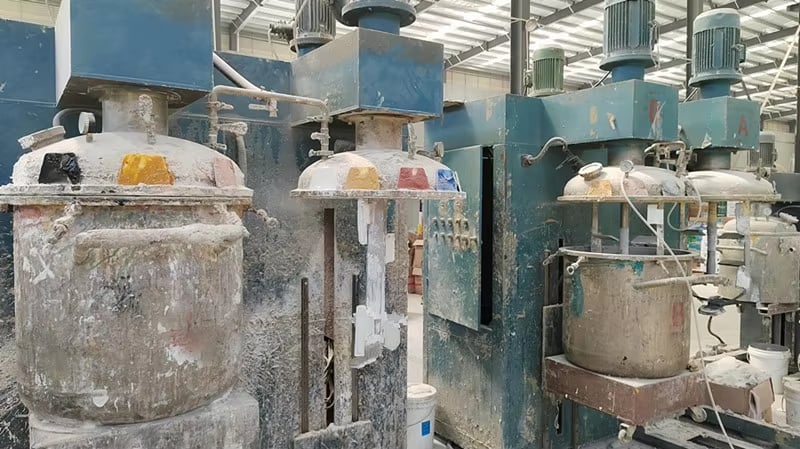 Mixing Lines
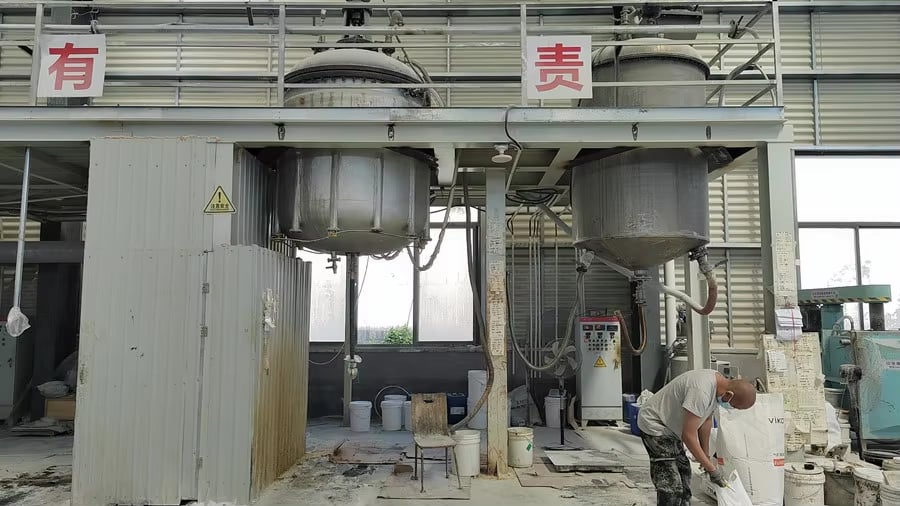 Reactor Kettles
 Dispersing Equipment
 Mixing & Control
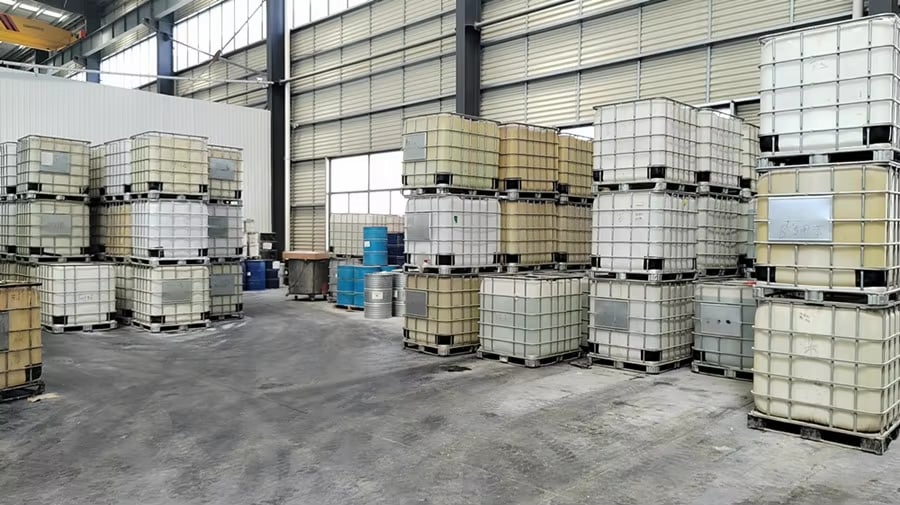 Raw-Material Store
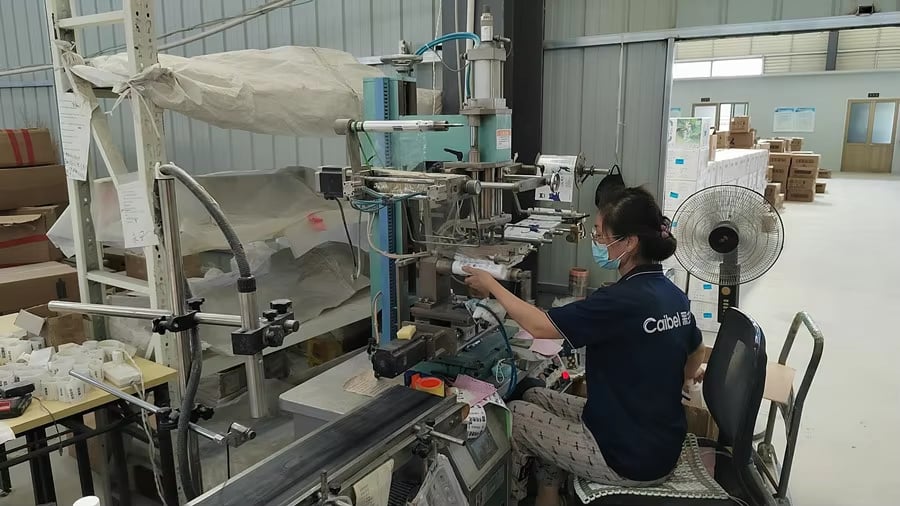 Labelling
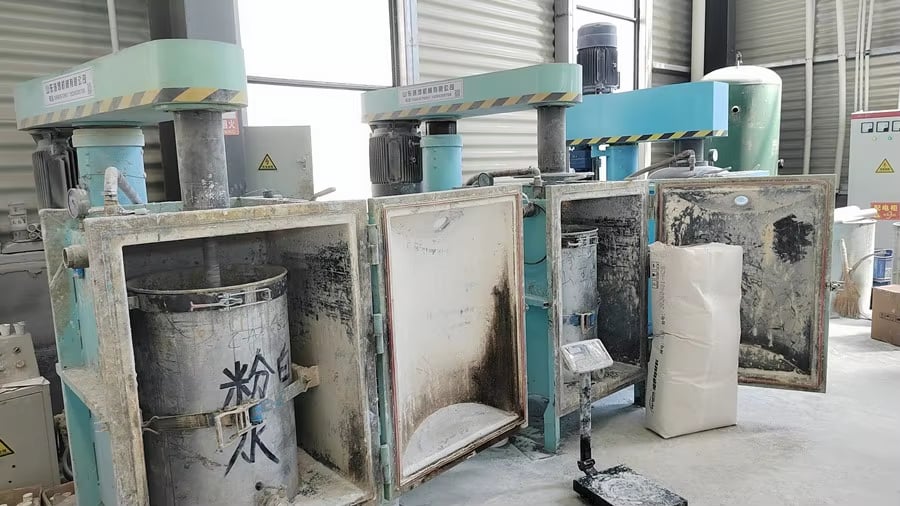 Vacuum Mixing
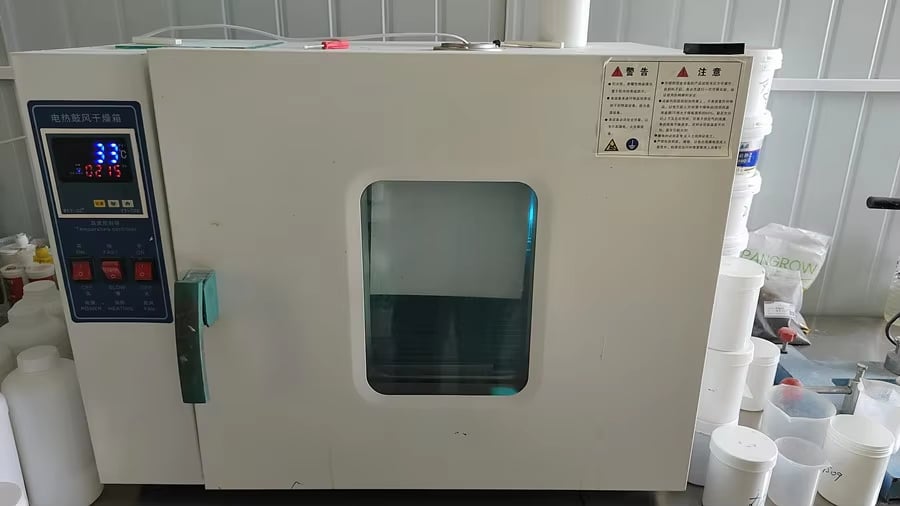 QC Drying Oven
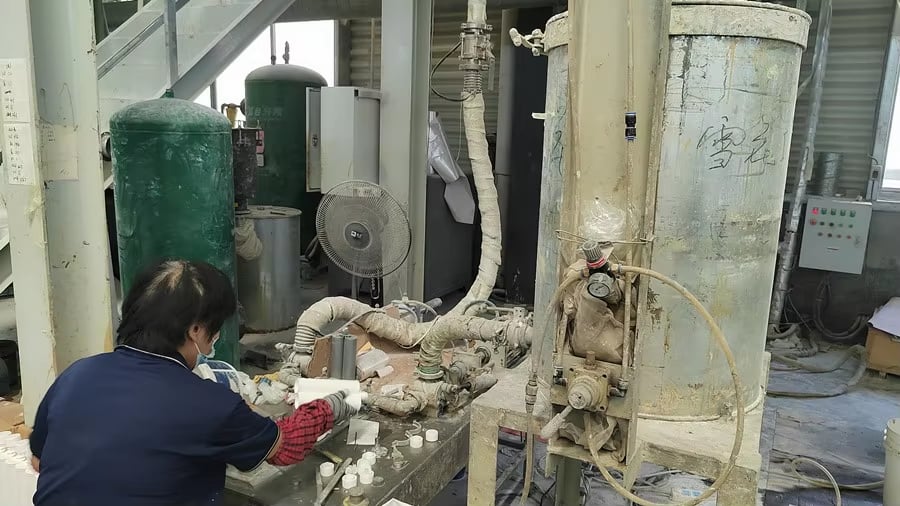 Filling & Capping


Questions about production, certificates or MOQ?
Ask Our TeamThis product line is verified by third-party laboratories. The marks shown above are the ones we publish as images; the documents behind them — certificate copies, batch-specific test reports, the CE Declaration of Conformity — are issued on request. A scanned badge proves nothing about your slab; the report behind it does.
Get a Free Quote
Send the floor area, substrate condition and what the room has to take. We reply with the system build-up, coverage estimate and an FOB quotation — usually within 24 hours.