Bathroom and en-suite floors
Including the zone immediately around a bath or a shower screen, where a grout line is the thing that goes black.


The coloured sand build specified for a room that gets wet and dries out every day: twelve fixed factory-blended colours, an open aggregate profile that a film of water cannot make smooth, and the water-control work placed where it belongs — falls, drain detail and upstand, not the coating.
Key Parameters
Colours — 12 fixed factory blends
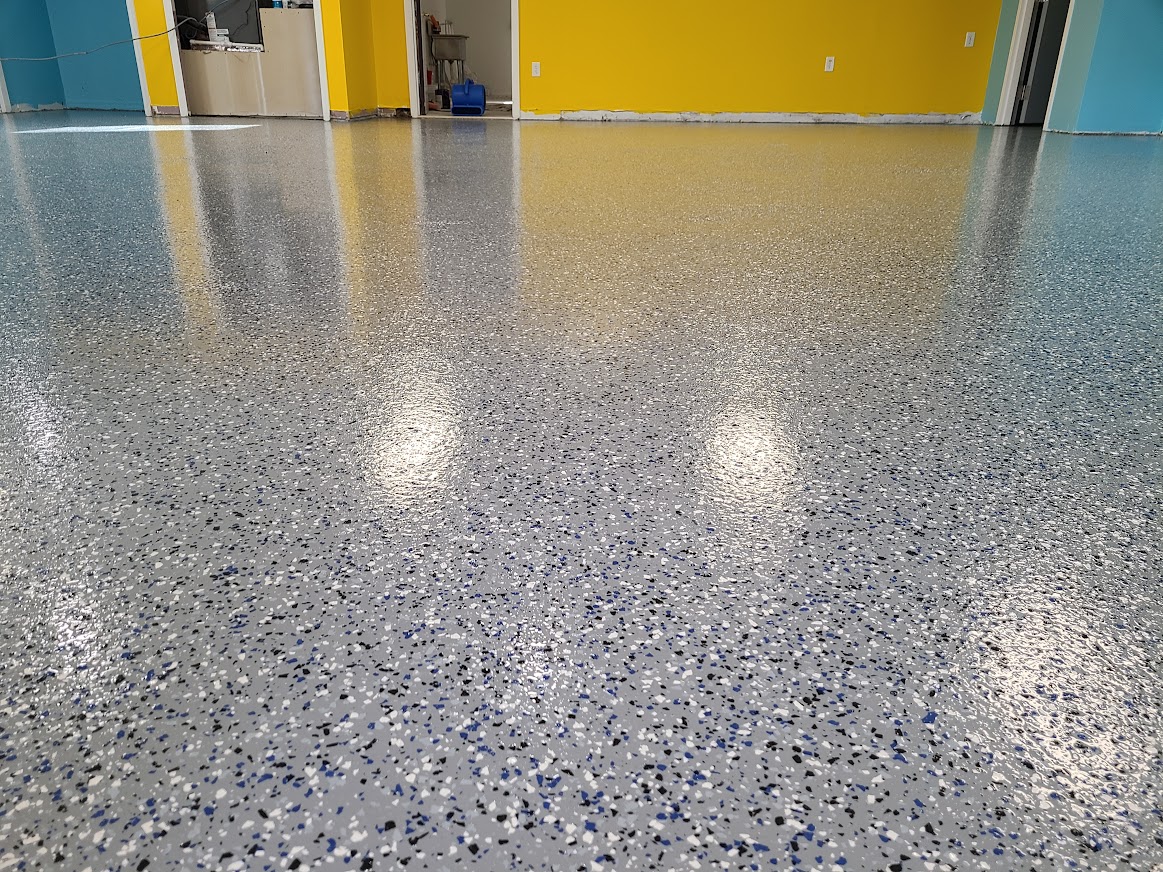
Pick a colour to preview a finished floor. Chips are close-ups of the blended aggregate; the floor views are indicative renders, not photographed projects.
Standard pack: 20 kg. Reply within 24 hours.
System line:Epoxy Colored Sand
Our interior coloured sand build, specified for a room that is wet most days: twelve fixed factory-blended colours, an open-aggregate film that a sheet of water cannot make smooth, worked at about 1.4 kg per square metre — with the water control stated where it actually sits, in the falls, the drain detail and the upstand, not in the coating.
The same coloured sand system we fit indoors — coloured aggregate bound in epoxy and worked open so the grain reads across the surface, then sealed — specified here against a bathroom rather than a hallway. The material is identical to our interior coloured sand. What changes is what the room asks of it: it is wet most days, it is cleaned with detergent, people stand on it barefoot, and there is a drain set into it.
Coverage, thickness, pack size and finish are on the Technical Specs tab, and so is the list of figures we do not hold. Where a cell is empty it is empty because nobody has measured it, not because the data is confidential.
This is the sentence that decides whether the job is the right one, so it is here rather than in a footnote: a decorative resin floor is not a waterproofing layer. It is a continuous film, so it will not let a spilled shower through the surface the way an open grout grid does. It cannot hold back water travelling underneath it, it is not a tanking system, and it will not rescue a slab that was never given falls.
In a bathroom the water is controlled by four things that are all below or beside the floor: the fall to the drain, the detail at the drain itself, the upstand where the floor meets the wall, and the waterproofing membrane under the tile bed where one is required. Get those right and a coated floor is a very good finish over them. Get them wrong and the coating is the thing that fails first, quietly, and shows up last — usually on the ceiling of the room below.
So when you send us a wet room we ask about the substrate and the drainage first and the colour second. If the falls are wrong we will say the floor is not the job.
The reason this build is specified in showers and bathrooms rather than a smooth self-levelling gloss is the aggregate. Working the grain open leaves a mechanical profile, and a thin film of water cannot make that profile smooth the way it does a polished surface. That is a description of the texture, not a slip certificate: we do not quote an R class for it and we do not describe any floor as slip-proof.
Two things follow that are worth planning around. An open profile holds grit and hair, so it needs vacuuming rather than just mopping. And the wear coat that gives the depth is the surface that gets walked on wet, so which topcoat is in the price is a decision we make with you at quotation, not a default.
It is not a shower tray, a tanking layer, or a swimming pool finish, and it is not an external floor. For a terrace or a balcony the build is different in one specific way — the wear coat is chosen for weathering: see outdoor coloured sand.
Most bathroom floors in existing buildings are tile, and the reason people ask for a coating is to avoid taking the tile up. That works where the tile is bonded, flat and hollow-free, and can be abraded to a mechanical key. It does not work where the tile has debonded, where there is movement under the bed, or where a leak is already in the make-up — those are demolished or repaired, because a decorative film laid over a failed floor records the failure and holds the water in.
The dedicated page for that route, including what we ask you to test before ordering, is renovation over existing tiles.
The palette is the twelve factory-blended colours listed on this page, shared with our interior build so a bathroom matches the hallway outside it. The aggregate is blended into the pack rather than tinted on site, so a repeat order matches the first one.
This product is not part of the custom matching programme. Where a project needs a specific RAL or Pantone reference, that is a different build from our colour-matched range.
One honest note on the swatches: the images on this page are indicative renders, not photographed projects. Pale colours in a small, bright bathroom read lighter than the chip suggests, and Peach Red in particular sits closer to pink than to red once it is laid over a large area under white light.
Hardness, abrasion loss, adhesion, slip classification, VOC and every cure timing are absent from the technical table because we have not tested this build. None of them is carried over from a similar product, and a supplier listing is not a test report.
That includes the one a bathroom actually needs: when it can take a shower. We set that per project from the primer and topcoat specified, and we put it in writing before the order rather than reading it off a marketing sheet.
The material here is the same as our interior coloured sand: coloured aggregate bound in epoxy, worked open so the grain reads across the surface, then sealed under a gloss wear coat. What changes is the room. A bathroom floor is wet and then dry, repeatedly; it is cleaned with detergent; it is walked on barefoot; it has a drain set into it and a junction with the wall where the water goes. Those are all specification questions rather than colour questions, and they are why this build is listed separately.
The sentence that decides whether the job is ours: a decorative resin floor is not a waterproofing layer. It is a continuous film, so surface water sits on it instead of soaking into a grout grid, and that is a real advantage over a tiled wet zone. It is not a tanking system, it holds nothing back from below, and it will not rescue a slab that was never given falls. In a bathroom the water is controlled by four things that sit below or beside the floor — the fall to the drain, the detail at the drain, the upstand at the wall line, and the membrane under the tile bed where one is required. Get those right and a coated floor is a very good finish over them. Get them wrong and the coating fails quietly and shows up last, usually on the ceiling of the room below.
The reason this build goes in a shower room at all is the aggregate. Working the grain open leaves a mechanical profile, and a thin film of water cannot make that profile smooth the way it does a polished surface — which is exactly what it does to a plain gloss self-levelling floor. That is a description of the texture, not a slip certificate: we publish no classification for it. Two practical consequences follow, and both belong in the plan rather than in a footnote. An open profile holds grit and hair, so the room needs vacuuming and not only mopping. And the wear coat is the layer that gets walked on wet and cleaned with detergent, so which clear is in the price is a decision we make with you at quotation.
| Water-control check | Before anything elseFalls to the drain, the detail at the drain, the upstand at the wall line, and the membrane under the tile bed where one is required. Where those are wrong the job is a drainage repair, not a coating |
|---|---|
| Prep | Abrade and vacuumConcrete: diamond-grind to remove laitance. Over tile: scarify the glaze to a mechanical key, and confirm the tile is bonded and hollow-free first — a debonded bed is lifted, not coated |
| Repair | As neededCracks filled and the floor levelled. Movement joints and changes of plane stay as they are and are detailed with a flexible transition |
| Primer | Specified per slabBathroom floors are often on a slab that has never fully dried, particularly below grade. Selection and rate come from the site information, not from a fixed figure |
| Coloured sand coat | ≈ 1.4 kg/m²Partner factory stated coverage for the mixed coloured sand coat, worked open and back-rolled |
| Coved junction | Up the wallTaken up as a radius rather than stopped at a perimeter line, so the corner can be wiped clean and water cannot collect in a gap |
| Wear coat | GlossThe layer walked on wet and cleaned with detergent. Which clear is quoted is named on the order rather than left as a default |
| Brand | Friway |
|---|---|
| SKU | — |
| Category | Epoxy Colored Sand |
| Finish | Gloss |
| Coverage | 1.4 kg/m² |
| Thickness | 2 mm |
| Package | 20 kg |
| Coverage | 1.4 kg/m²Partner factory figure for the coloured sand coat on a normal concrete bed, mixed. Their usage table gives one rate per substrate against a 2 mm reference — 1.3 dense new concrete, 1.4 normal concrete, 1.6–1.8 rough or aged, 1.5 tile or terrazzo — so a floor coated over existing tile takes the 1.5 figure, and that build is on colored-sand-floor-over-existing-tiles |
|---|---|
| Pack size | 20 kgPartner factory pack; component split is confirmed on the order |
| Finish | High glossThe gloss is what carries the aggregate depth, and it is also what shows every dried puddle, so a squeegee is part of the handover conversation |
| Application method | Trowel and back-rollPartner data sheet lists a trowel-worked coat, not a poured self-levelling body |
| Touch dry | Not publishedThe sheet supplied with this batch states a faster surface-dry than the one behind our interior page. Neither is a test of ours and the two disagree, so no figure is carried onto this page |
| Walk-on | Not publishedNo measured value for this build; it depends on the primer and topcoat chosen for the slab |
| Light service | Not publishedWhen the floor can take a shower is set per project from the primer and wear coat quoted, and put in writing before the order |
| Full cure | Not publishedWe do not extend the seven-day cross-link figure from our epoxy ranges onto a build we have not measured |
| Colour range | 12 fixed coloursFactory-blended per pack; this product is not part of the custom colour-matching programme |
| Hardness | Not publishedNo Shore D test on this build by us |
|---|---|
| Abrasion | Not publishedNo Taber plate run |
| Compressive | Not publishedNot a load-bearing specification |
| Adhesion | Not publishedDepends on the primer selected for the slab and on whether the tile glaze was abraded — both are set per project |
| Slip | Not publishedNo ramp test on this surface; we describe the open aggregate and the wet duty instead of quoting a classification |
| VOC | Not publishedNo emission report held for this formulation |
| Water | Water-resistant surfaceResists spills, splashes and a damp mop; it is not a waterproofing layer and does not stop hydrostatic pressure. In a wet room the water is controlled by falls, the drain detail and the membrane under the tile bed |
| Cleaning agents | Not publishedNo chemical-resistance panel run on this build. What we state is a neutral cleaner, and that solvent-based and acidic products will dull a gloss film in patches that cannot be blended back |
Figures are typical values measured in our laboratory. Substrate, climate and workmanship affect the result — we confirm the final specification in writing before your order.
We release documents as editable originals on request (batch-specific data is not in a generic PDF). One click sends your request with this product attached.
Two-component sets palletised for export, shipped fromDongguan, Guangdong, China by Dongguan Friway Hydraulic Control Technology Co., Ltd..
| Set composition | 20 kg |
|---|---|
| Net weight / set | 20 kg |
| Pallet configuration | 20 sets (500 kg net) per 1200 × 1000 mm pallet, stretch-wrapped with corner boards — recalculated for your pail size at quotation |
| 20 ft container | Confirmed at quotation — the figure above is for our standard pail size |
| 40 ft HQ | Confirmed at quotation |
| Shelf life | 12 months from fill date |
| Storage | Dry, ventilated store, 5–35 °C, keep away from direct sunlight; store Part A and Part B separately and reseal after use. |
Counted from confirmed deposit and approved colour. FOBShenzhen or Guangzhou; CIF and DDP quoted on request.
| Order quantity | Lead time | Notes |
|---|---|---|
| Sample (≤ 2 sets) | 2–4 days | courier freight collect via DHL / UPS / FedEx, shipping at your cost; 5–7 days door to door |
| 1–49 sets | 5–7 days | Stock colours first; standard export packing included |
| 50–199 sets | 10–12 days | Includes batch mixing and in-house QC record per batch |
| 200–999 sets | 15–20 days | Production slot reserved after 30% deposit |
| FCL / 1000+ sets | 22–28 days | Confirmed against the shipping schedule; FOB Shenzhen or Guangzhou |
RAL / Pantone reference or a physical sample; we send a wet film for approval before batch production.
Your logo and language on the pails and carton; artwork in AI/PDF. Blank labelling available below this MOQ.
Pail size, carton printing, palletising and shipping marks per your export requirement.
Formulation adjustment (gloss, cure speed, aggregate, conductivity range) with TDS and CoA issued under your brand.
Company-level documents we can issue for this system. We supply certificate copies and batch test reports on request rather than publishing them as images.
Settle the water question firstBefore order
Confirm the fall to the drain, the condition of the drain detail, and whether there is a membrane under the existing tile bed. Where a bathroom has no fall and the slab below is somebody else's ceiling, that is the job and the coating is the finish over it.
Test what is already thereDay 1
Existing tile has to be bonded, flat and hollow-free, and abradable to a mechanical key. Tap-test the whole floor. Loose or debonded tile is lifted, because a decorative film laid over a failed bed records the failure and holds the water in.
Abrade, repair, vacuumDay 1
Scarify the glaze or diamond-grind the slab, fill cracks and level. A gloss film shows every ridge left in the preparation and every tile joint under it, so this is the step that decides the appearance.
Set the primer for the roomDay 1
Porosity and residual damp decide the primer and its rate. We specify it from the site information rather than from a fixed number, because the wrong choice here fails the whole build.
Work the coloured sand coat and cove the wall lineDay 2
One 20 kg pack at a time, gauged to roughly 1.4 kg/m², back-rolled to open the aggregate evenly. Taken up the wall as a coved junction rather than stopped at a perimeter line. Batch the room so a colour change is not visible in it.
Gloss wear coat, then keep water off itDay 3 onward
Applied once the sand coat has set. No shower, no mop and no standing water until the timing for the specific primer and wear coat in your quote has been confirmed — we set that per project rather than reading it off a sheet.
Need the full method statement for your site? Request it with the form below — we review your slab data before your crew starts.
Including the zone immediately around a bath or a shower screen, where a grout line is the thing that goes black.
Over a substrate that already has correct falls and a proper drain detail. The coating is the finish, not the fall, and we ask about both before quoting.
A seamless field with no joints to collect a leak that nobody sees until it has travelled along a pipe run.
The same argument in a smaller room: wipeable, dust-free, and no perimeter gap to clean out.
Carried up as a coved junction so the corner can be wiped rather than cleaned out of a gap where a tiled build would leave it.
No, and a page that says otherwise is selling you the wrong product. This is a continuous decorative film: surface water sits on it rather than soaking into a grout grid, but it is not a tanking layer and it does not hold water back from below. What protects the room underneath is the fall to the drain, the detail at the drain, the upstand at the wall and the membrane under the tile bed. Fix those first and we will happily quote the finish over the top.
Where the tile is bonded, flat and hollow-free, and can be abraded to a mechanical key — yes, and avoiding demolition is the usual commercial argument for it. Where the bed has debonded, where there is movement under the tile, or where a leak is already in the make-up, the floor is lifted or repaired instead, because a decorative film over a failed floor records the failure and holds the water in. We ask for a tap test of the whole area before quoting this route.
The grip comes from the open aggregate rather than from a finish we have tested, which is why a coloured sand build is specified in showers at all — a thin film of water cannot make an open profile smooth the way it does a polished one. We publish no slip classification for it because we have not run the ramp test that would justify one. Describe the room and the fall risk and we will tell you how coarse to work the grain.
Not from a number printed on a page. The data sheet that came with this batch states a fast surface-dry; the sheet behind our interior page gives a slower one for what is the same material. Neither is our test and the two disagree, so this page publishes no cure timings at all. We set the first-shower timing per project from the primer and wear coat actually quoted, and confirm it in writing before the order.
We make no biocidal claim about it, because there is no test behind one. What is actually true is plainer and is the reason people choose it: there is no grout grid in the wet zone to hold water and soil, and a continuous film wipes clean. Keep the room ventilated and vacuum rather than only mop, and the open profile will not hold the grit and hair that a tiled corner does.
Not on this product. The aggregate is blended at the factory into the pack rather than tinted on site, so the twelve listed colours are what is available. They are the same twelve as our interior build, which is what lets a bathroom match the hallway outside it. Colour matching is a different build from our colour-matched range.
Because we have not tested this build. Hardness, abrasion, bond, slip, VOC, cleaning resistance and every cure timing are absent rather than carried over from a similar product, and a supplier listing is not a test report. What we do publish — coverage, pack size, finish and colour count — is marked as partner factory data so you can see which figures are ours and which are theirs.
Your project has conditions we cannot see from here? Send the slab report and drawings — our engineers answer with a written specification.
Dongguan Friway Hydraulic Control Technology Co., Ltd.
Every batch of Bathroom & Wet Room Colored Sand Floor Coating is produced in our own facility by a team that integrates R&D, production, sales and technical service. Advanced equipment, batch-level lab testing and a complete quality system mean consistent quality — from the first sample to the last pallet.
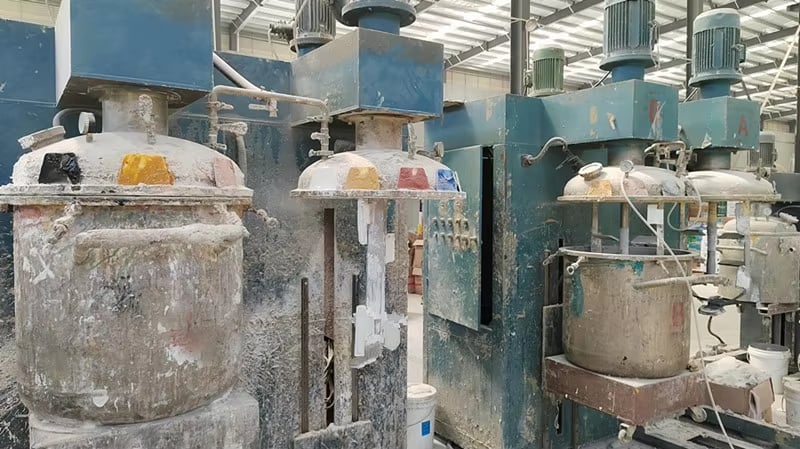 Mixing Lines
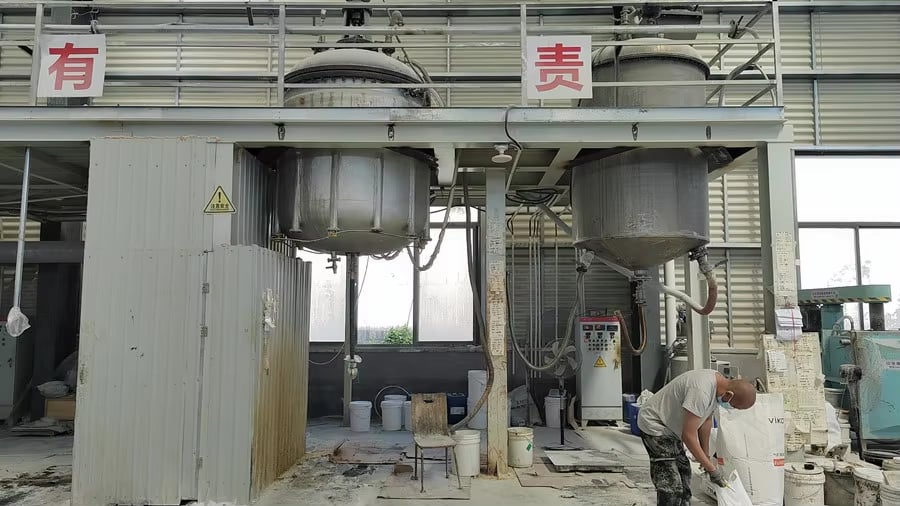 Reactor Kettles
 Dispersing Equipment
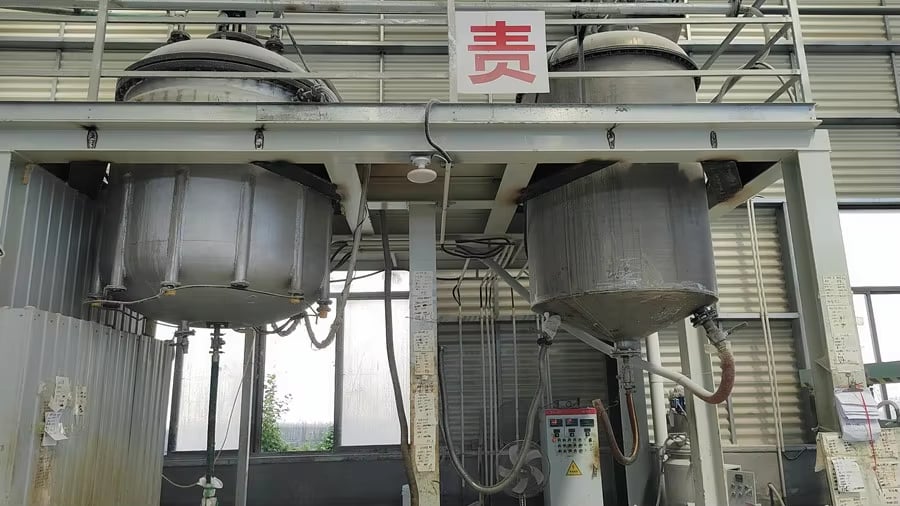 Mixing & Control
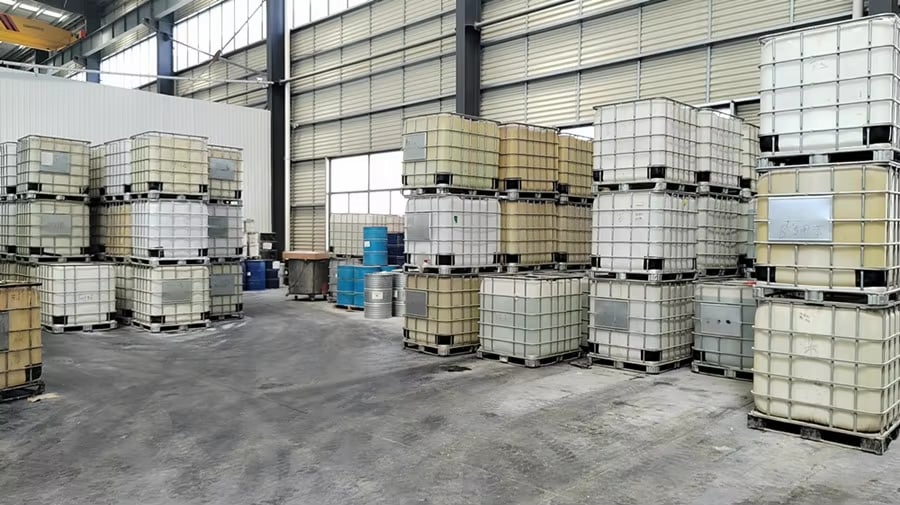 Raw-Material Store
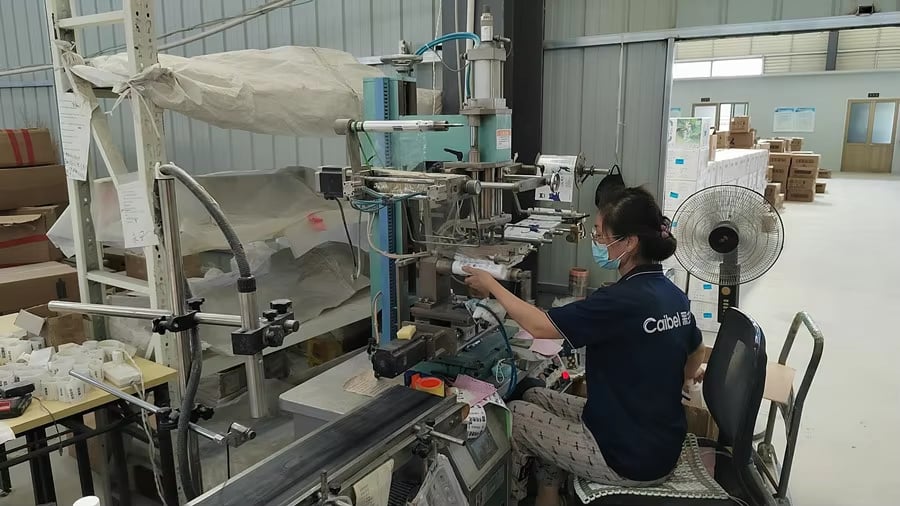 Labelling
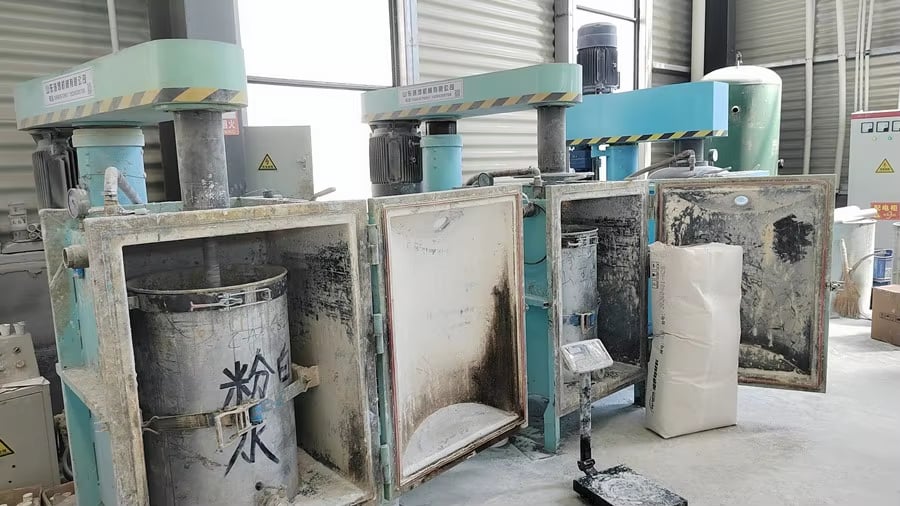 Vacuum Mixing
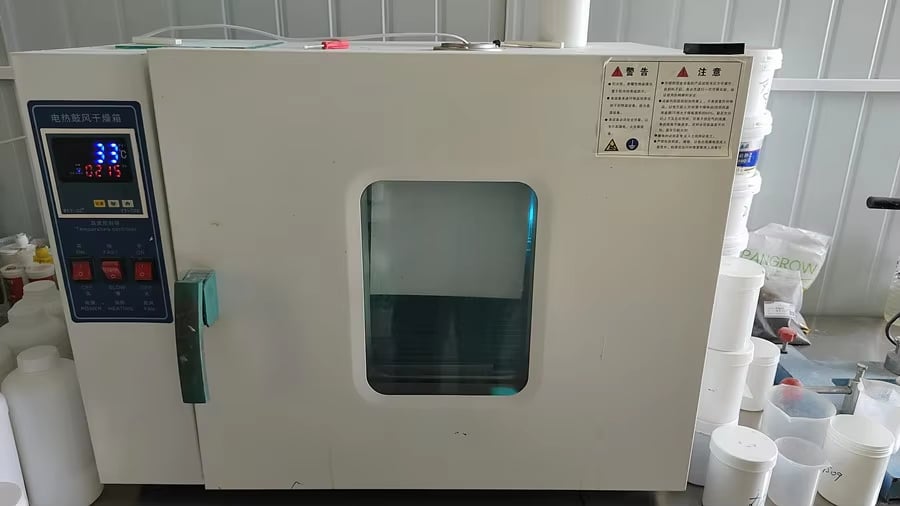 QC Drying Oven
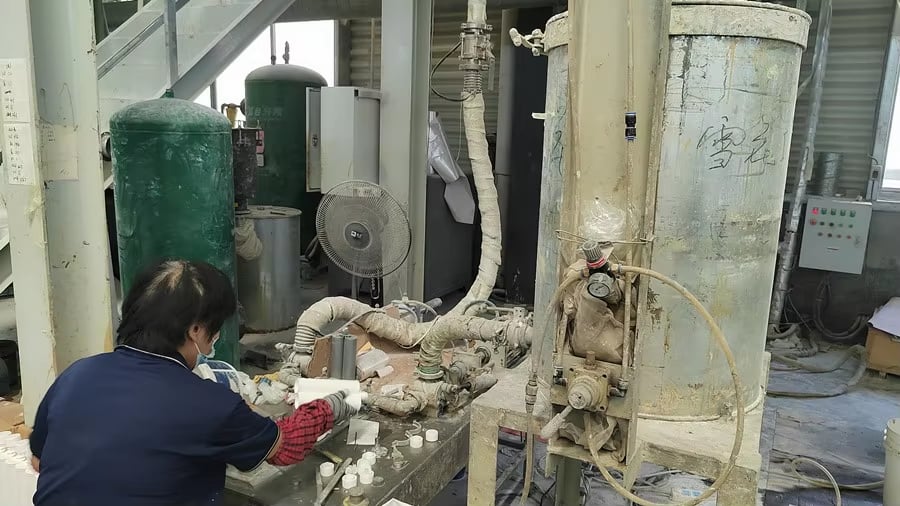 Filling & Capping


Questions about production, certificates or MOQ?
Ask Our TeamThis product line is verified by third-party laboratories. The marks shown above are the ones we publish as images; the documents behind them — certificate copies, batch-specific test reports, the CE Declaration of Conformity — are issued on request. A scanned badge proves nothing about your slab; the report behind it does.
Get a Free Quote
Send the floor area, substrate condition and what the room has to take. We reply with the system build-up, coverage estimate and an FOB quotation — usually within 24 hours.